When considering plastic surgery, it's natural to wonder about its safety. You might be curious whether the benefits outweigh the risks. Choosing the right surgeon is essential, but so is understanding the potential complications involved. While many people achieve their desired results, others face unexpected challenges. So, what factors should you weigh before making your decision? The answers could greatly influence your path forward.
Understanding Plastic Surgery: An Overview
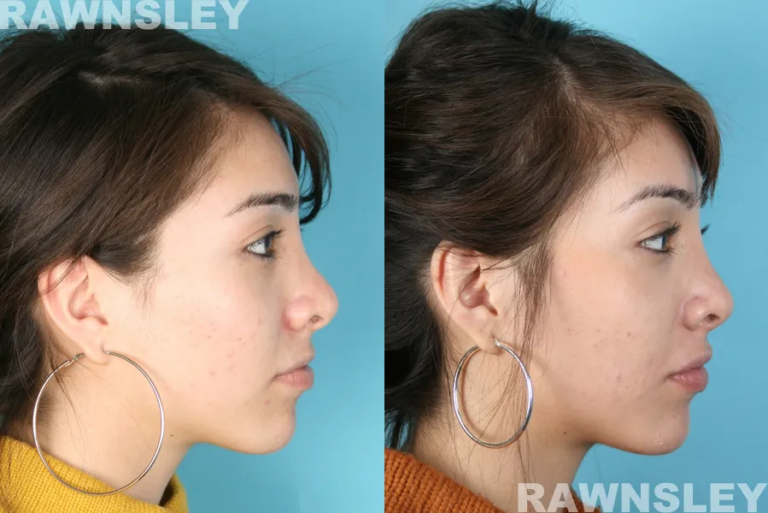
Have you ever wondered what plastic surgery really entails? It's a surgical specialty focused on reconstructing or altering various parts https://squareblogs.net/abrel4613/the-rise-of-ethnic-rhinoplasty-vs18 of the body to enhance appearance or restore functionality. The procedures range from cosmetic enhancements, like facelifts and breast augmentations, to reconstructive surgeries that fix deformities or injuries. Patients seek plastic surgery for various reasons, including boosting self-esteem or correcting congenital abnormalities. Before undergoing any procedure, it’s vital to understand the risks and benefits involved, as well as what to expect during the recovery process. It’s not just about the physical changes; you need to reflect on emotional impacts, too. Ultimately, thorough research and consultations with qualified professionals are essential to making informed decisions about plastic surgery.
Common Types of Plastic Surgeries
Understanding the different types of plastic surgeries can help you make informed choices. Common procedures include breast augmentation, which enhances breast size and shape, and rhinoplasty, often called a nose job, which reshapes the nose for better proportions. If you’re aiming for a more youthful appearance, facelifts tighten skin and reduce wrinkles. Liposuction is a popular option for removing stubborn fat deposits, while tummy tucks remove excess skin and fat around the abdomen. Eyelid surgery rejuvenates the eyes by removing sagging skin. Finally, dermal fillers can plump up facial lines and restore volume without surgery. Each of these options has its unique benefits and considerations, so understanding them can help you choose what’s right for you.
The Importance of Choosing a Qualified Surgeon
Choosing a qualified surgeon is essential for achieving safe and satisfying results in plastic surgery. You wouldn’t trust just anyone with your health, and the same goes for cosmetic procedures. Make sure your surgeon is board-certified and has specialized training in the specific procedure you’re considering. Don’t hesitate to ask about their experience and before-and-after photos of past patients. Reading reviews and testimonials can also provide insight into their skills and patient satisfaction. A good surgeon will prioritize your safety and have a thorough understanding of the latest techniques and technologies. By taking these steps, you can minimize the risk of complications and enhance your chances of a positive outcome. Your journey starts with the right choice!
Potential Risks and Complications
Even with a qualified surgeon, it's important to recognize that plastic surgery carries inherent risks and complications. You could experience infections, which may require additional treatments. Bleeding during or after surgery can also occur, potentially leading to serious issues. There's a chance of anesthesia complications that could affect your recovery. Scarring, while often minimized, can sometimes be more significant than expected. Some patients face dissatisfaction with their results, prompting revisions. Additionally, blood clots may form, posing serious health risks. These complications can disrupt your healing process and overall satisfaction. To make an informed choice, thoroughly discuss potential risks with your surgeon, ensuring you understand what to expect and how to mitigate these issues before undergoing any procedure.

Psychological Effects of Plastic Surgery
While many people seek plastic surgery to enhance their appearance, it’s essential to reflect on the psychological effects it may have on your mental well-being. Undergoing surgery can lead to a mix of emotions, including excitement and anxiety. Some individuals may experience improved self-esteem and confidence after the procedure, but others might face dissatisfaction with results, leading to body dysmorphia or increased anxiety. It’s vital to have realistic expectations and understand that surgery alone won’t resolve deeper emotional issues. Open communication with a mental health professional before and after the procedure can help you navigate these feelings. Ultimately, consider not just the physical, but also the emotional implications of plastic surgery on your life.
Safety Protocols and Regulations
To guarantee your safety during plastic surgery, it’s vital to understand the protocols and regulations that govern these procedures. Every licensed surgeon must adhere to strict guidelines set by organizations like the American Society of Plastic Surgeons. These regulations ascertain that facilities are accredited, maintaining high standards of hygiene and safety.
Before surgery, your surgeon should perform a thorough assessment, including medical history and necessary tests. They must also discuss potential risks and complications. Informed consent is essential; make sure you understand what you’re agreeing to. Additionally, recovery protocols are in place to monitor your healing process. By choosing certified professionals and accredited facilities, you can help guarantee a safer experience throughout your plastic surgery journey.
Making an Informed Decision
When considering plastic surgery, it’s essential to gather as much information as possible so you can make an informed decision. Start by researching the procedure you're interested in, including risks, benefits, and recovery time. Look for reviews from patients who’ve had similar surgeries to understand their experiences. Consult with board-certified surgeons and ask them questions about their qualifications and the techniques they use. It’s also important to discuss your expectations and any concerns you have. Weigh the pros and cons carefully. Consider your emotional and physical readiness for surgery, and think about the long-term implications. By doing thorough research, you'll empower yourself to make a choice that aligns with your personal goals and well-being.